Nutritional Therapist for Menopause & Perimenopause in Esher & Surrey – Ann Shaw
Perimenopause and menopause can be a confusing time.
You may notice changes in your periods, sleep, energy, mood, concentration, body composition or digestion. Perhaps you are experiencing hot flushes or night sweats, or simply feel that your body isn’t quite behaving as it used to. For some women, symptoms are mild. For others, they can have a significant effect on everyday life. Sometimes it can feel as though several changes have arrived at once.
The important thing to remember is that you are not doing anything wrong.
Menopause is a natural stage of life, but that doesn’t mean you have to simply put up with symptoms that are affecting your wellbeing. Nutrition and lifestyle can form an important part of looking after yourself during this transition. They can support your overall health, energy, bone health, cardiovascular health and wellbeing, alongside medical treatments where these are appropriate.
At Ann Shaw Clinic of Nutritional Medicine, I work with women in Surrey, London and online across the UK to provide personalised nutritional support during perimenopause and menopause.
What is perimenopause?
Perimenopause is the period leading up to menopause. During this time, hormonal changes can affect your menstrual cycle and may be accompanied by a wide variety of symptoms. The timing and experience of perimenopause are different for every woman. Menopause itself is reached when you have not had a period for 12 consecutive months. After this, you are considered postmenopausal. For many women, symptoms can continue for some time and may change as they move through different stages of the transition.
What are the common symptoms of perimenopause and menopause?
Everyone’s experience is different, but symptoms can include:
- Changes to your periods
- Hot flushes and night sweats
- Difficulty sleeping
- Tiredness and low energy
- Mood changes, anxiety or irritability
- Brain fog and difficulty concentrating
- Changes in libido
- Weight gain or changes in body shape
- Vaginal dryness or discomfort
- Headaches or migraines
- Joint and muscle aches
- Palpitations
- Changes in skin and hair
- Changes in bladder or urinary symptoms
My own experience of menopause
My own experience of menopause was surprisingly positive, and I experienced barely any symptoms.
I had already made nutritional and lifestyle changes years earlier because of my own food sensitivities, and I believe these choices were helpful to me. I made sure my hormones were balanced with diet and appropriate vitamins and minerals.
However, I would never suggest that my experience is a blueprint for somebody else.
Why can menopause feel so different?
As you approach menopause, your reproductive hormones change.
These hormonal changes can affect much more than your menstrual cycle. They can influence temperature regulation, sleep, mood, sexual health and other aspects of physical and emotional wellbeing.
At the same time, life itself may be particularly demanding.
Work, family responsibilities, caring responsibilities, stress and changes in sleep can all occur alongside the menopause transition.
This is why I believe it is important to look at the whole person, rather than assuming that every symptom has a single explanation.
Can nutrition help during menopause?
Yes – nutrition can be an important part of looking after your health during perimenopause and menopause. However, I don’t believe in promising that a particular food will “balance your hormones” or that one diet can eliminate menopause symptoms.
Instead, the aim is to build a nourishing pattern of eating that supports your body through this stage of life. A balanced diet can help provide the protein, fibre, vitamins, minerals and healthy fats your body needs, while also supporting bone and cardiovascular health. Perhaps just as importantly, eating well does not have to mean following a complicated or restrictive diet.
Start with balanced, nourishing meals
One of the simplest places to begin is by building meals around a combination of nutritious foods.
Depending on your individual needs, this may include:
- A source of protein
- Vegetables or fruit
- Fibre-rich carbohydrates
- Healthy fats
- Plenty of fluids
Examples of nourishing foods include:
Protein
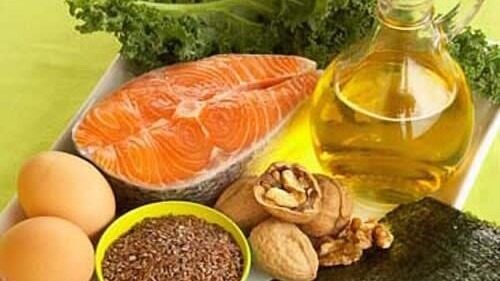
Eggs, fish, poultry, yogurt, beans, lentils and other protein-rich foods.
Healthy fats
Olive oil, nuts, seeds, avocado and oily fish such as salmon, sardines and mackerel.
Fibre-rich foods
Vegetables, fruit, wholegrains, beans, lentils, nuts and seeds, according to your individual digestive tolerance. A varied diet is generally more useful than focusing on a handful of so-called “menopause superfoods”.
Support your bones
Bone health becomes particularly important during and after menopause because the reduction in oestrogen is associated with increased bone loss. Nutrition is one part of supporting healthy bones.
Calcium-rich foods can include dairy products such as milk and yogurt, as well as calcium-containing alternatives and certain green vegetables. Vitamin D is also important for bone health. Weight-bearing and resistance exercise are equally valuable, helping to maintain bone and muscle strength. If you are concerned about your bone health or have particular risk factors for osteoporosis, speak with your GP or another appropriate healthcare professional.
Protein becomes increasingly important
Maintaining muscle strength is important as we get older. Including a good source of protein at meals can help you meet your nutritional needs, particularly when combined with regular resistance or strength exercise. This doesn’t mean that you need a high-protein diet. It means making sure that your meals contain enough nourishing protein for your individual circumstances.
What about blood sugar?
You may have heard that “blood sugar balance” is essential for balancing menopause hormones.
I would take a more practical approach.
Choosing regular, balanced meals and snacks when needed can help support steady energy and reduce the likelihood of becoming extremely hungry and then overeating. Combining protein, fibre-rich carbohydrates and healthy fats can make meals more satisfying. For example, rather than focusing on eliminating carbohydrates, we can look at the quality, quantity and overall balance of your meals. This is particularly useful if you find yourself experiencing energy dips, cravings or irregular eating patterns.
What about weight gain during menopause?
Changes in body composition and weight are common around the menopause. This can be frustrating, particularly if you feel that you are eating and exercising in much the same way as before.
Rather than immediately going on a restrictive diet, I prefer to look at the bigger picture.
Are you getting enough protein?
Are meals balanced and satisfying?
How well are you sleeping?
How much movement are you getting?
Are stress and busy schedules affecting your eating patterns?
Are you restricting during the day and becoming extremely hungry later?
Importantly, how can we support your health without making food another source of stress?
The goal is not simply to chase a number on the scales.
Your health, strength, energy and relationship with food matter too.
Foods to include more often
There is no single menopause diet, but a generally nourishing pattern can include:
- Plenty of vegetables
- Fruit
- Beans and lentils
- Nuts and seeds
- Oily fish
- Other sources of protein
- Olive oil and other unsaturated fats
- Calcium-rich foods
- Plenty of fluids
The Mediterranean-style pattern of eating is often a useful framework because it naturally emphasises vegetables, fruit,, pulses, nuts, seeds, fish and unsaturated fats. It can be adapted to suit individual preferences and digestive tolerance.
Do I need to avoid sugar, caffeine or alcohol?
Not necessarily.
You don’t need to create a long list of forbidden foods in order to eat well during menopause.
However, some women notice that particular foods or drinks affect their symptoms.
For example, caffeine, alcohol, spicy foods and hot drinks may trigger or worsen hot flushes or night sweats for some people.
If you notice a clear personal pattern, reducing your intake may be worth trying.
The important word is personal.
What bothers one woman may have no noticeable effect on another.
What about vitamins and minerals?
Menopause is a time when paying attention to nutritional adequacy becomes particularly important. Rather than automatically taking a long list of supplements, I prefer to consider your individual diet, symptoms, health history and circumstances.
Every woman’s menopause is different.
What helps one person may not help another, which is why I believe personalised support is so important.
When should you seek medical advice?
If you think you may be experiencing perimenopause or menopause symptoms, it is perfectly reasonable to speak with your GP or another appropriate healthcare professional. You should also seek medical advice if you have symptoms that concern you, particularly significant changes in bleeding.
If you have gone 12 months without a period and then experience any vaginal bleeding, this should always be checked by a healthcare professional. You do not have to suffer in silence, and there are medical and non-medical options available to help manage menopause symptoms.
How I can support you
At Ann Shaw Clinic of Nutritional Medicine, I take a personalised approach to nutritional support.
Together, we can explore:
- Your current diet and eating patterns
- Digestive health
- Energy and sleep
- Stress and lifestyle
- Menopause symptoms
- Nutritional adequacy
- Bone and cardiovascular health
- Your relationship with food
- Individual food tolerances
- Appropriate nutritional supplements where indicated
The aim isn’t to give you another restrictive diet. It is to help you develop a nourishing way of eating that fits your life and supports your health through this important stage.
You don’t have to navigate menopause alone
Perimenopause and menopause can be a time of considerable change. But it can also be an opportunity to pay attention to your health in a new way. You don’t need to follow a perfect diet. You don’t need to eliminate everything you enjoy. You don’t need to believe that every symptom means your hormones are somehow “out of balance” and need fixing. Instead, we can focus on the things you can support: nourishing food, movement, sleep, strength, stress management, digestive health and your overall wellbeing. Small, consistent changes can add up.
Client Success Story
“I cannot tell you my relief of not to suffering daily night sweats any more, and the hot flushes have also stopped. My weight has begun to normalise and so far I have lost 6 lbs. In myself I feel I have changed, and my husband said I am not so touchy and irritable. Thank you Ann for your help so far!” – Mrs. S. L. Wimbledon
Would you like personalised support?
If you are struggling with perimenopause or menopause symptoms and would like to explore whether nutritional support Get in touch and we can discuss what you are experiencing, your health history and what kind of support may be appropriate for you.
I work with women in Surbiton, Esher, Wimbledon and across Surrey and London, as well as offering online consultations throughout the UK.
Ann Shaw Clinic of Nutritional Medicine takes a programme-based approach, combining personalised nutrition and lifestyle guidance with functional testing where there is a clear reason to consider it.
Frequently Asked Questions
What is the best diet for perimenopause?
There is no single diet that is best for every woman.
A varied, balanced diet containing vegetables and fruit, protein, fibre-rich foods, healthy fats and sources of calcium can provide a strong nutritional foundation during perimenopause and menopause. Your individual needs, preferences and digestive tolerance should also be taken into account.
Can nutrition help with menopause symptoms?
Nutrition can support overall health and wellbeing during menopause and may be helpful alongside other approaches.
Can menopause cause weight gain?
Weight gain and changes in body composition are common during midlife and menopause. Nutrition, physical activity, sleep and muscle-strengthening exercise can all play a role in supporting a healthy weight and body composition. It is also important to remember that health is about much more than weight alone.
Can menopause affect digestion?
Some women notice changes in their digestion around perimenopause and menopause, including bloating or changes in bowel habits. If digestive symptoms are persistent or concerning, they should be assessed appropriately rather than automatically attributed to menopause.
Are you ready to feel more confident about your health?
If you are tired of trying to work everything out on your own, I would be very happy to discuss your individual situation.
GET IN TOUCH to find out how personalised nutritional support may help you navigate perimenopause and menopause with greater confidence.
I work with clients going through Perimenopause and Menopause in Surbiton, Esher, Wimbledon and across Surrey, as well as online consultations across the UK.
Ann Shaw Clinic of Nutritional Medicine has a programme-based approach which integrates nutrition, functional laboratory testing if necessary, and lifestyle guidance to address Perimenopause and Menopausal issues.
This article is for general information and is not intended to diagnose, treat or replace medical advice. If you have symptoms that concern you, please speak with your GP or another appropriate healthcare professional.
(c) Ann Shaw Clinic Of Nutritional Medicine 2026